
It’s been a while since we walked the fields and talked about this season… and of course there is a lot to say!
Weather, weeds and watching the signs
Obviously we started with the weather and were prepared for the usual extremes which seem to have been a recent feature. Imagine the shock when we asked Ian our main grower – “how’s the weather been?”
“I don’t say this often… but it’s been pretty close to perfect.
A bit of rain, yes—but mostly in the evenings. Gentle, steady, the sort that soaks in rather than batters down. Days bright enough to crack on, soil workable, spirits lifted. If you could order a growing season from a catalogue, this would be somewhere near it”.
Of course, “perfect” comes with its quirks. Inside the polytunnels it’s been a different story—hot by day, then sharply cold overnight. That swing pushes some of the cool-loving crops to bolt faster than we’d like. A reminder that even in a good spell, there’s always a balancing act going on.
Wind? Not really an issue this time. We’re well sheltered here unless it swings round from the south, so a run of westerlies passed us by without much fuss.
But here’s the thing. Good weather isn’t just luck—it’s what you do with it.
Those warm, dry days gave us a window to get on top of the ground. We’ve been cultivating, lifting and exposing weed roots—especially the stubborn couch grass—and letting the sun do the hard work. Once it’s up and dried out, it simply shrivels away. Low effort, high reward. It sets us up well not just for this season, but the next.
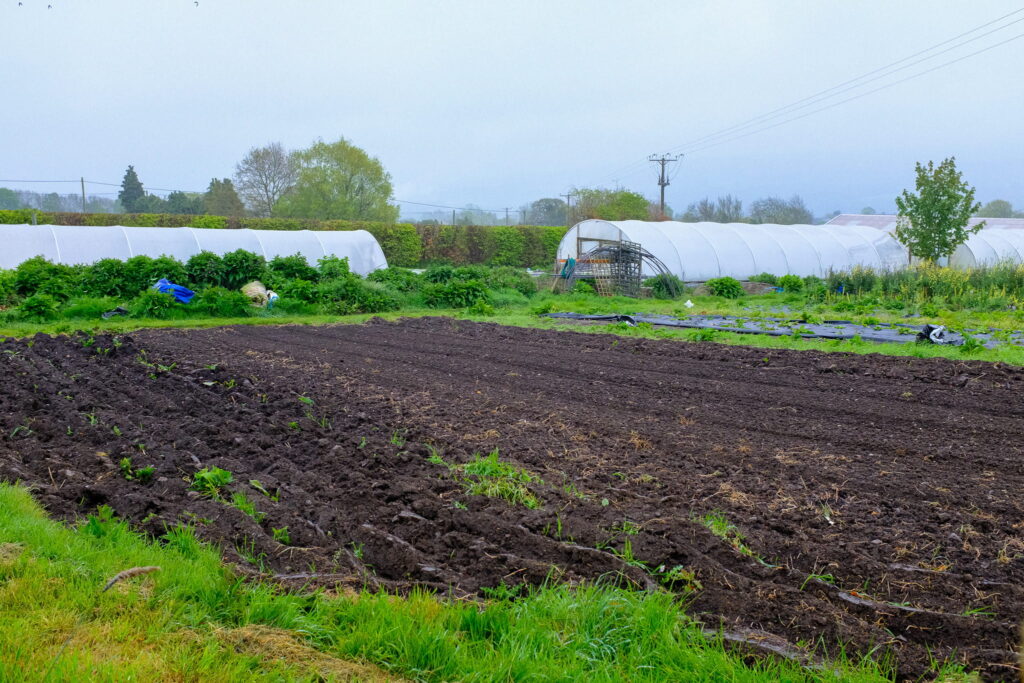
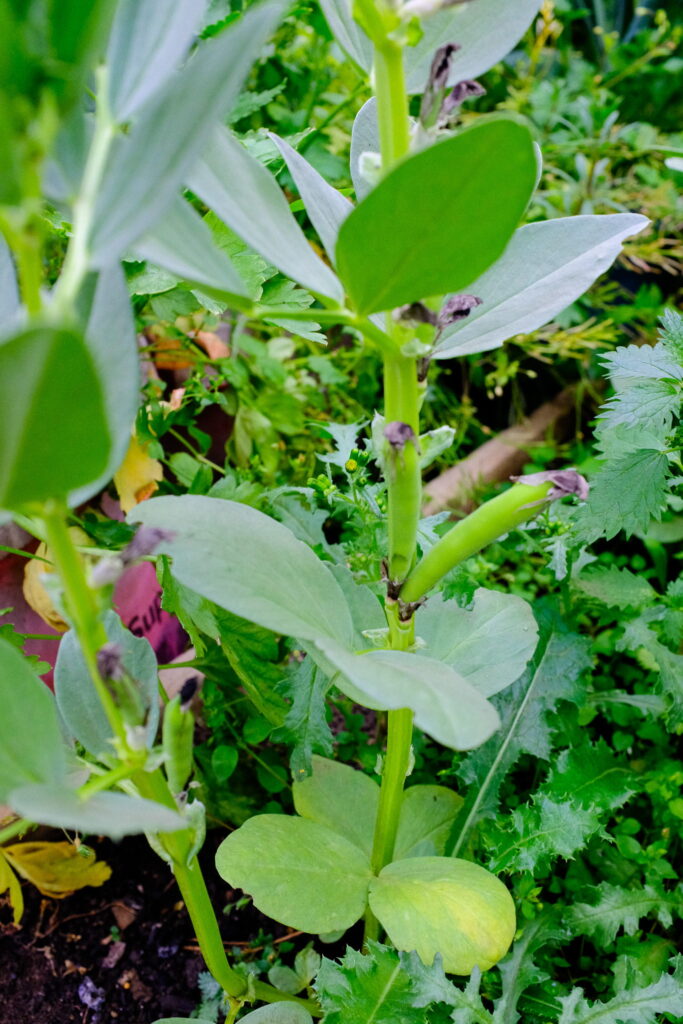
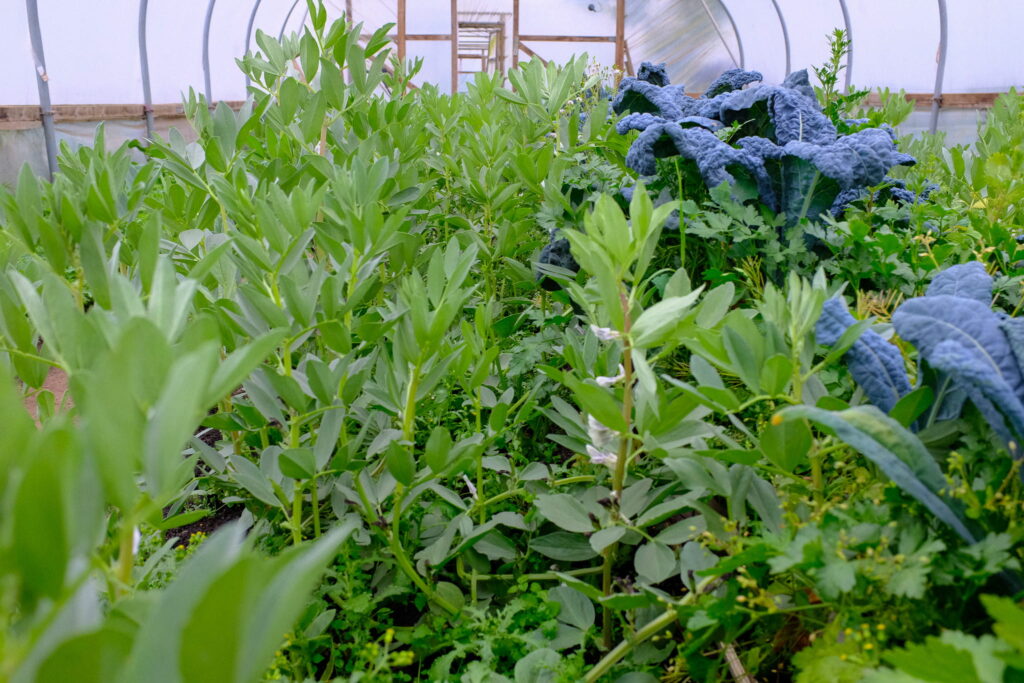
Now we’re heading into a wetter patch, and that’s just as useful. The soil takes a drink, softens up again, and we go again. Timing is everything.
Reading what comes next
There’s plenty of talk about an El Niño pattern developing this year. If that plays out, we could be looking at a warmer late summer—maybe even a proper Indian summer stretching into autumn. Sounds good on the surface, but it can also mean a drier run when crops still need steady moisture.
And then the flip side… a colder, more unsettled winter. Possibly sharper frosts, maybe even proper snow again. It’s been a while.
So how do you prepare when you don’t really know what’s coming?
You hedge your bets.
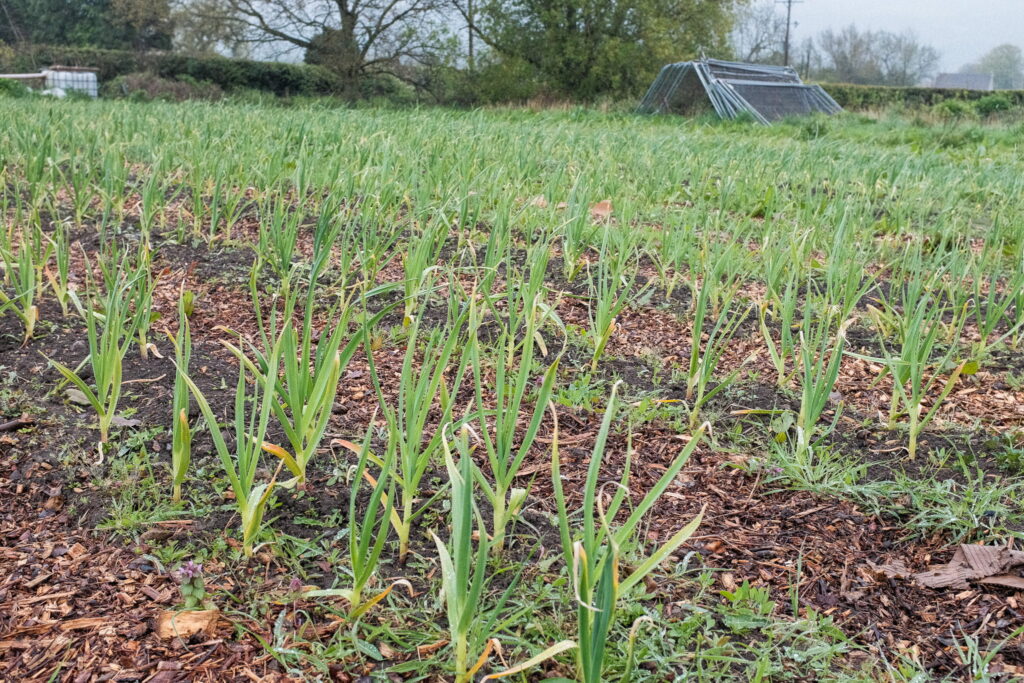
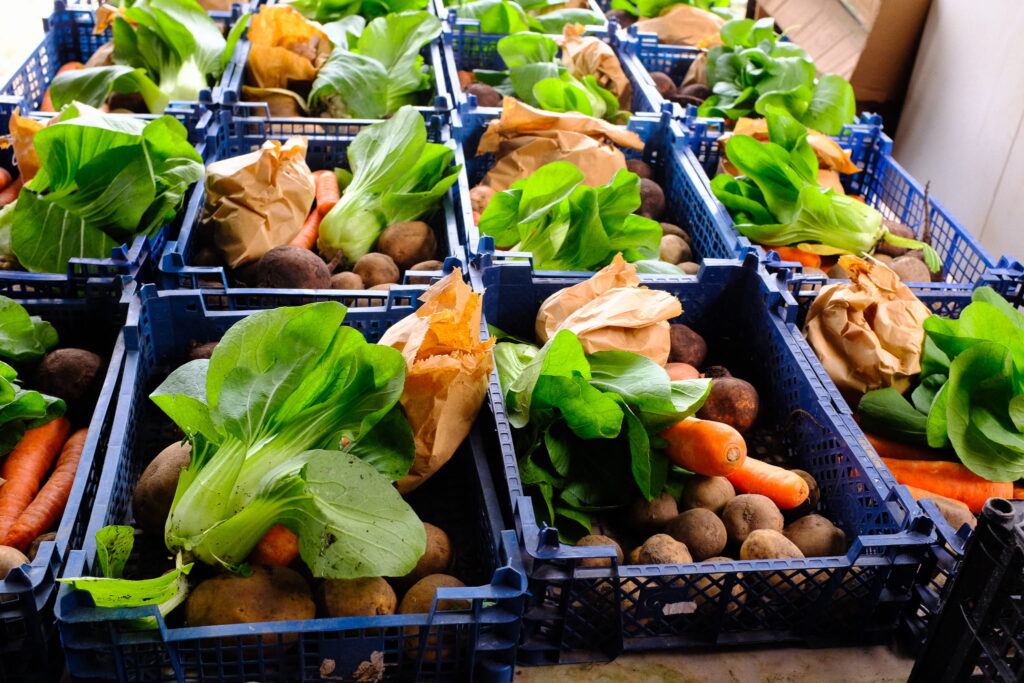
This year we’re leaning more into storage crops. More squash. A few extra onions. Hopefully a solid garlic harvest. Potatoes too, if all goes well. Nothing fancy—just the basics that keep people fed. It’s not about stockpiling for the apocalypse. It’s about resilience. A steady flow of good food for members, whatever the weather throws at us.
Water, or the lack of it
We get asked this a lot—why don’t we irrigate everything?
The short answer: we try not to.
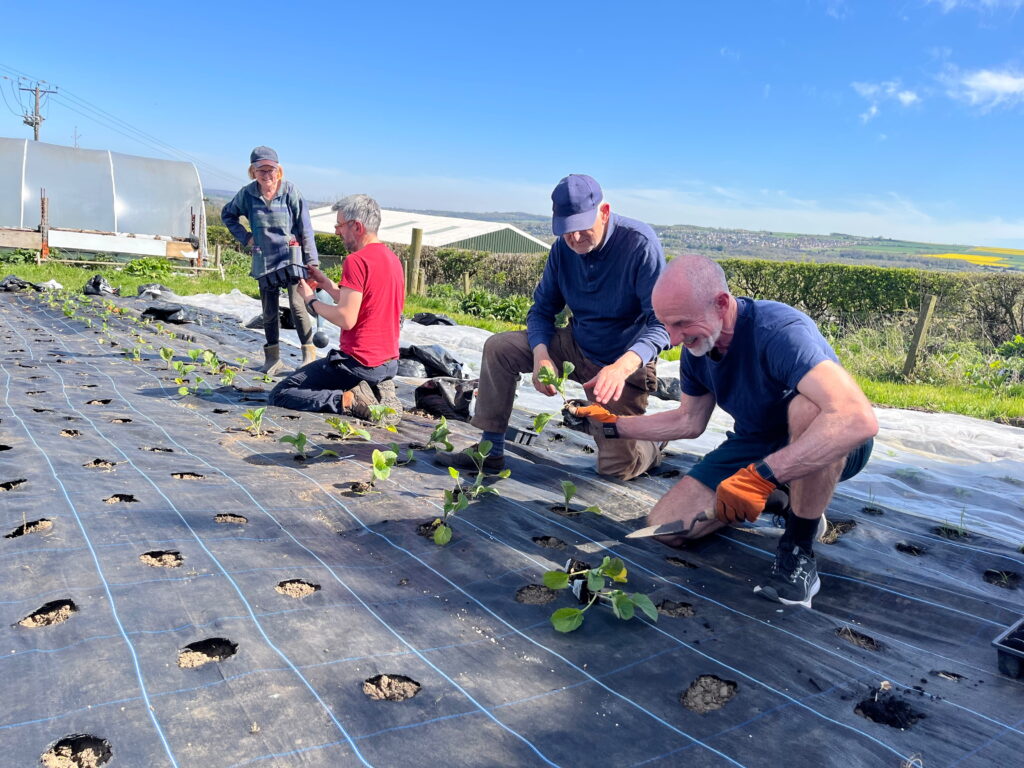
Out in the field, we rely on the soil. Covered beds, organic matter, and practices that help retain moisture deeper down. It’s surprisingly resilient. But if we went four or five weeks with no rain at all, we’d have to step in.

Commercial growers often work differently. If you’re producing large volumes of crops like leeks or cabbages, you’ll usually have a water licence and irrigate routinely. It’s a different model.
For us, it’s about working with the conditions, not overriding them.
Blossom, bees… and a few worries
One of the real highlights this spring has been the blossom. Longer lasting, more abundant, and—crucially—better timed. Last year, a cold snap and strong winds hit right at the wrong moment. This time, the worst of the wind came just after the early blossom and before the fruit trees really got going. Pollination had a chance. You can feel the difference walking through it.
Birds are doing well too. Always a good sign.
Bees… less so. The big ones are about, especially during the warm spells, but the variety feels thinner. Fewer of the smaller species we’d usually spot—no carder bees, not many of the little orange ones. It’s something we’re keeping an eye on.
It has been a good spring for Ladybirds. Plenty around and they are keeping on top of the aphids.
And then there are the quieter absences.
No frogspawn in the ponds so far. That’s unusual. It could be timing. It could be the dry spell. Or, in one pond at least, it might be down to an unexpected goldfish addition (long story…). Either way, fewer frogs around than we’d expect.

Out in the field
Plenty ticking along.
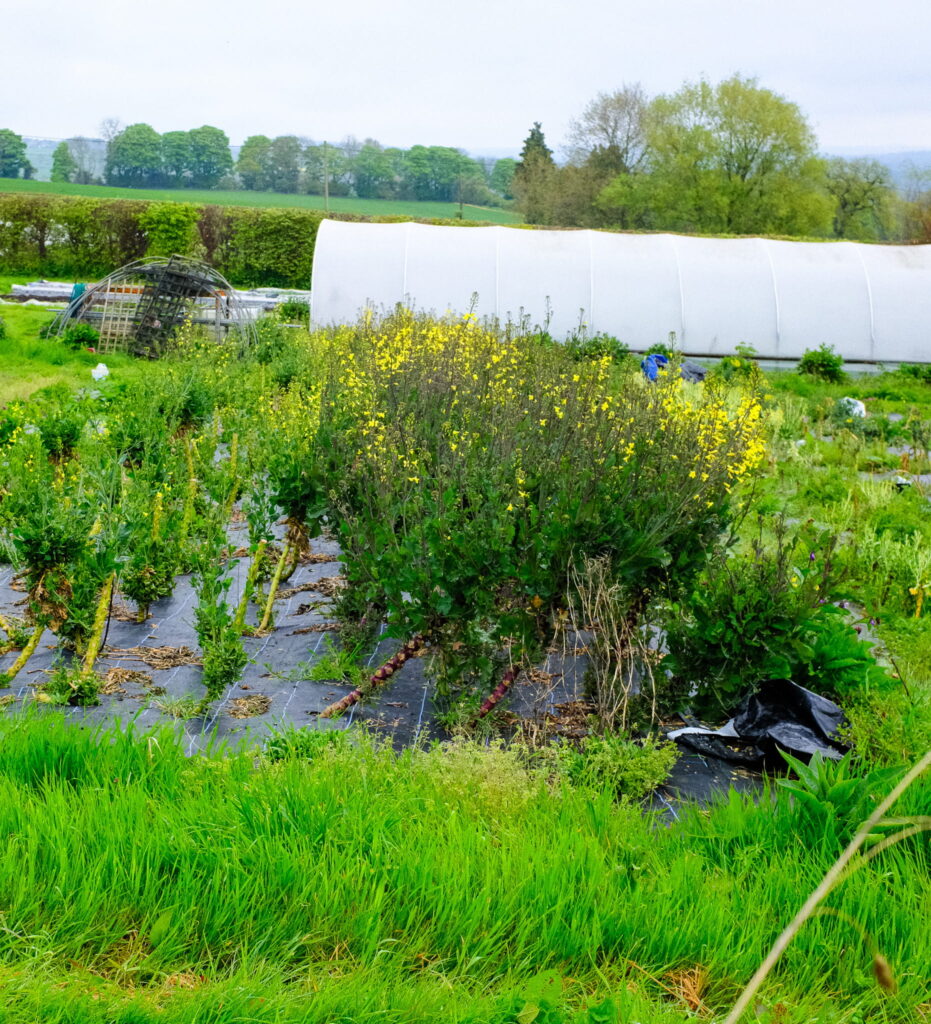
The squash are coming through well—which is just as well, given the plan. Tomatoes and cucumbers are in, though nervously watched with the threat of a late frost. Tomatillos are looking strong. Melons… slower than we’d like, but holding on.
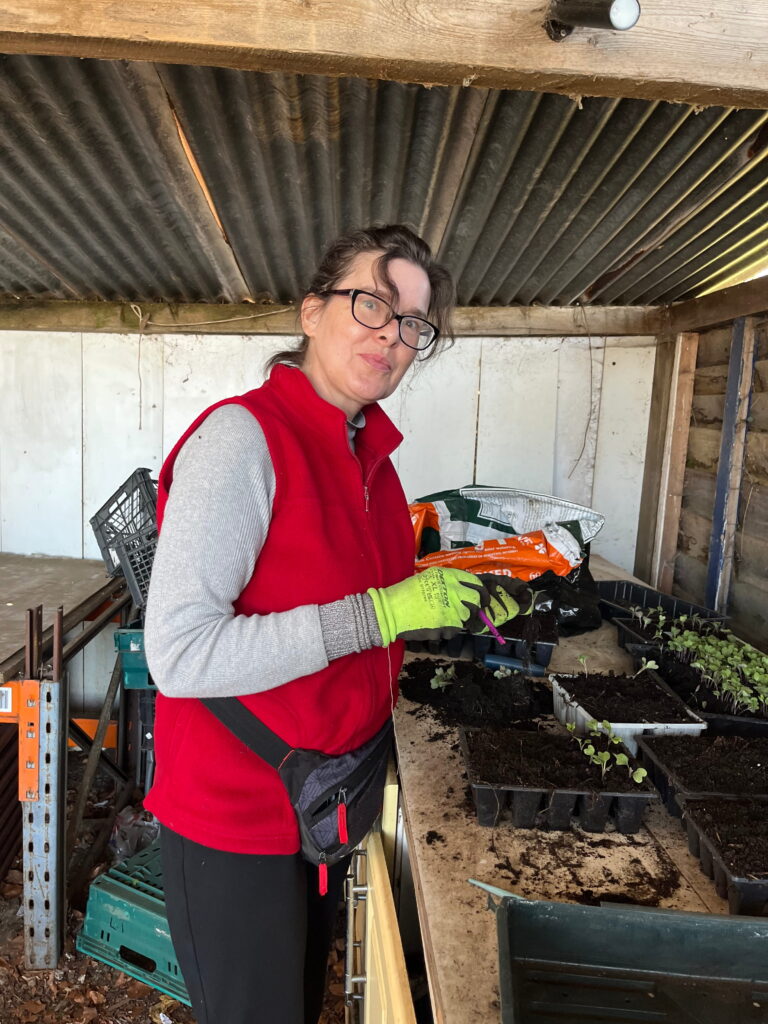


We’re trying a few new things too. Malabar spinach has gone in as an experiment—one to watch.
And then there are the manglewurzel. A bit of a throwback, a bit of fun, but also surprisingly useful.


