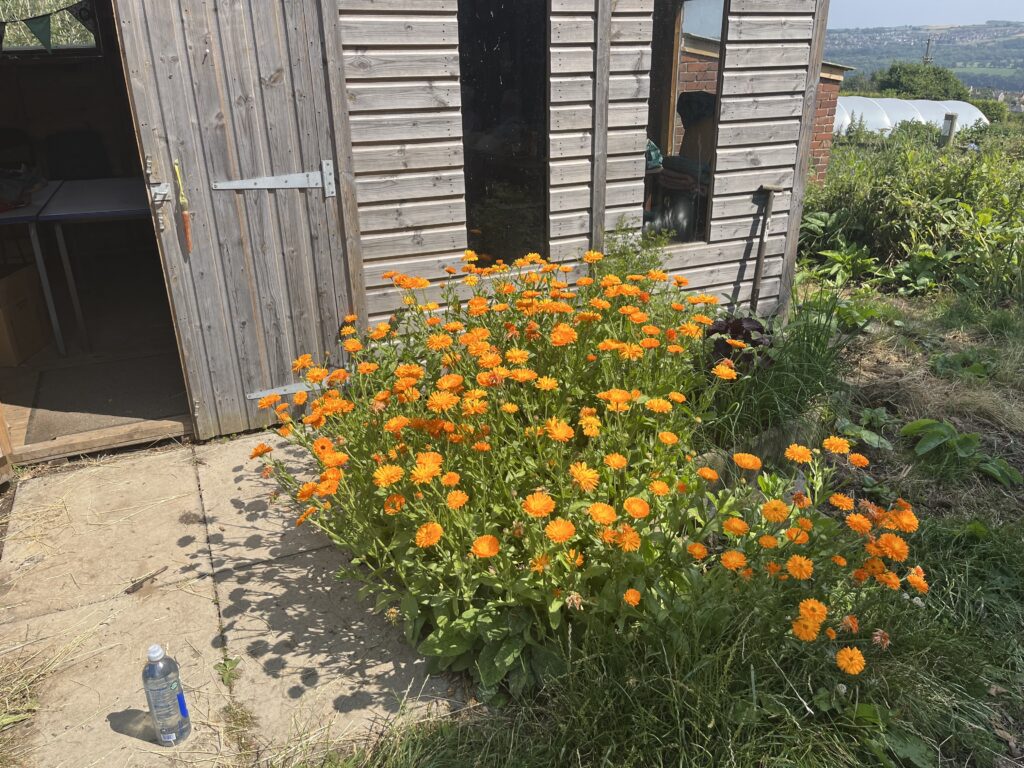
Last August, after the early season drought it felt like the rain never stopped. We battled to get the final crops harvested before the fields became too wet.
Fast forward to this summer, and we’re facing the complete opposite problem. Instead of too much water, we’re desperately short of it. The heat has made it incredibly difficult to sow seeds, plant new crops, and many of our vegetables are struggling to survive.
Just two years ago, our plug trays were sitting in water from May onwards. This year? They’re drying out almost as quickly as we can water them.
So, what’s really happening on the fields?
Are we seeing climate change?
Q: The weather feels very different. Is this climate change?
What we’re seeing is certainly more extreme weather.
For years, the UK has been known for having fairly average, predictable weather. The idyllic summers we remember from our youth (well some of us!) were probably in a 2 year cycle eg ’76 & ’77. But that “average” seems to be disappearing. Instead, we’re swinging between soaking wet conditions and prolonged periods of heat and drought.
Is that climate change? Possibly. Weather naturally goes through cycles, so one unusual season doesn’t tell the whole story. But if these extremes continue year after year, then it becomes much harder to dismiss.
Whatever you call it, farming has become much less predictable.
What does this heat mean for growing vegetables?
Q: How has this hot weather affected planting?
Quite simply, we’ve planted far less than we’d planned.
Many of our young seedlings and plugs simply can’t cope with the heat. Even when we do plant them out, they need watering every single day just to survive—and during our busiest months, there simply aren’t enough hours in the day.
The vegetables we planted earlier in the spring are keeping us going for now, but we’re probably only a couple of weeks away from seeing a noticeable drop in what’s ready to harvest.
Five weeks of hot weather has slowed the growth of many crops that should be thriving at this time of year.
Sweetcorn is a good example. When it’s planted into hot, dry soil, moisture disappears almost immediately, leaving weak stems that struggle to support the plants. That’s why so much of our sweetcorn has fallen over this year—although we’re hopeful some of it will recover – it would have been better sown direct, if the beds were empty of the previous crop.

Is the heat affecting the polytunnels too?
Q: Surely the tunnels help?
Normally they do—but this year they’ve become almost too hot.
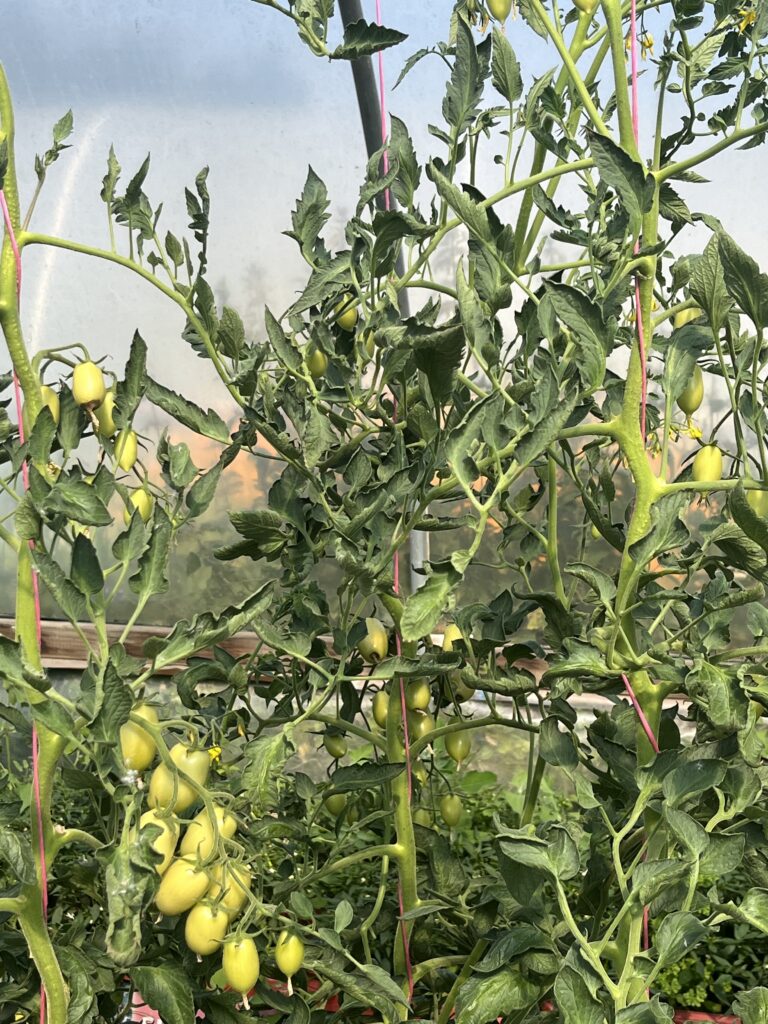
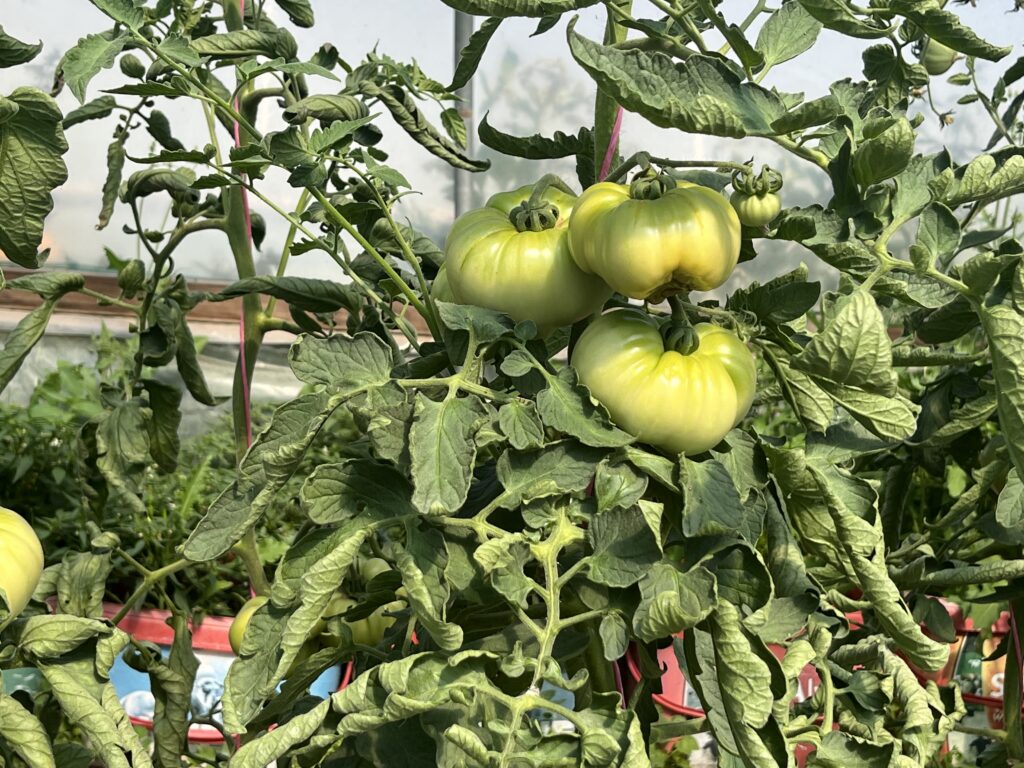
The intense temperatures have encouraged red spider mite and mildew to appear much earlier than usual, affecting crops like cucumbers and tomatoes.
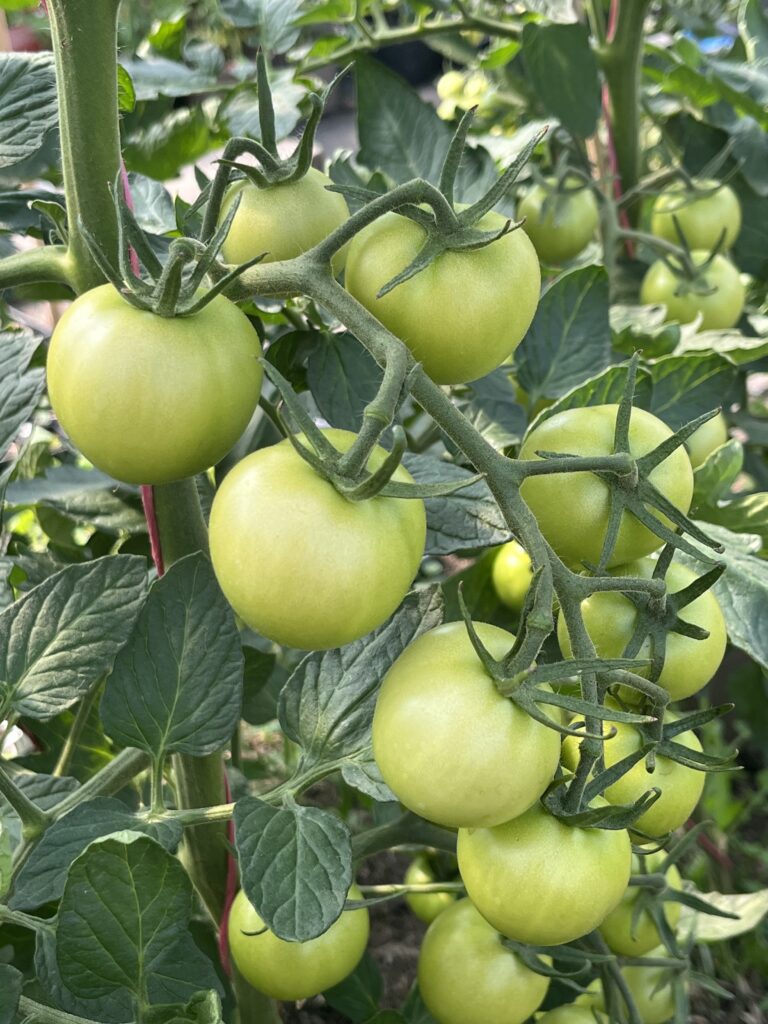
Tomatoes have suffered particularly badly. The tops of the plants literally burn off in extreme heat. They then try to recover by producing new side shoots, but that recovery can set the crop back by as much as three weeks.
We’ve also had some unwelcome visitors. Blackbirds, struggling to find moisture elsewhere, have discovered that ripe tomatoes are a very refreshing drink! That’s why you’ll spot mesh screens across the tunnel doors.
What impact will this have later in the year?
Q: Will members notice a difference?
Unfortunately, yes.
Apple trees have continued dropping fruit far longer than they normally would, meaning we’re expecting smaller harvests of both apples and pears.
Other crops will also be affected. Brussels sprouts, for example, won’t grow as tall, leaving less space on each plant to produce sprouts.
The biggest issue, though, is the crops we haven’t been able to establish.
Many of the seedlings we’ve carefully grown have simply shrivelled up—even those kept in the shade.
What about winter vegetables?
Q: Are winter crops doing any better?
Not really.
Some of our autumn and winter vegetables haven’t even germinated because the soil has been too hot.
We’ve already had to throw away two complete sowings of winter crops because they simply won’t produce a worthwhile harvest.
That’s around 1,000–1,500 young plants that have gone straight from the trays to the compost heap.
Financially, the seeds themselves only represent around £30–£40, but once you factor in labour, the true cost is far greater. It’s one of those losses that most people never see.
Is there any good news?
Q: Surely something is enjoying this weather?
Thankfully, yes!
While our pumpkin crop is smaller than we’d hoped, our Crown Prince squash are looking fantastic.
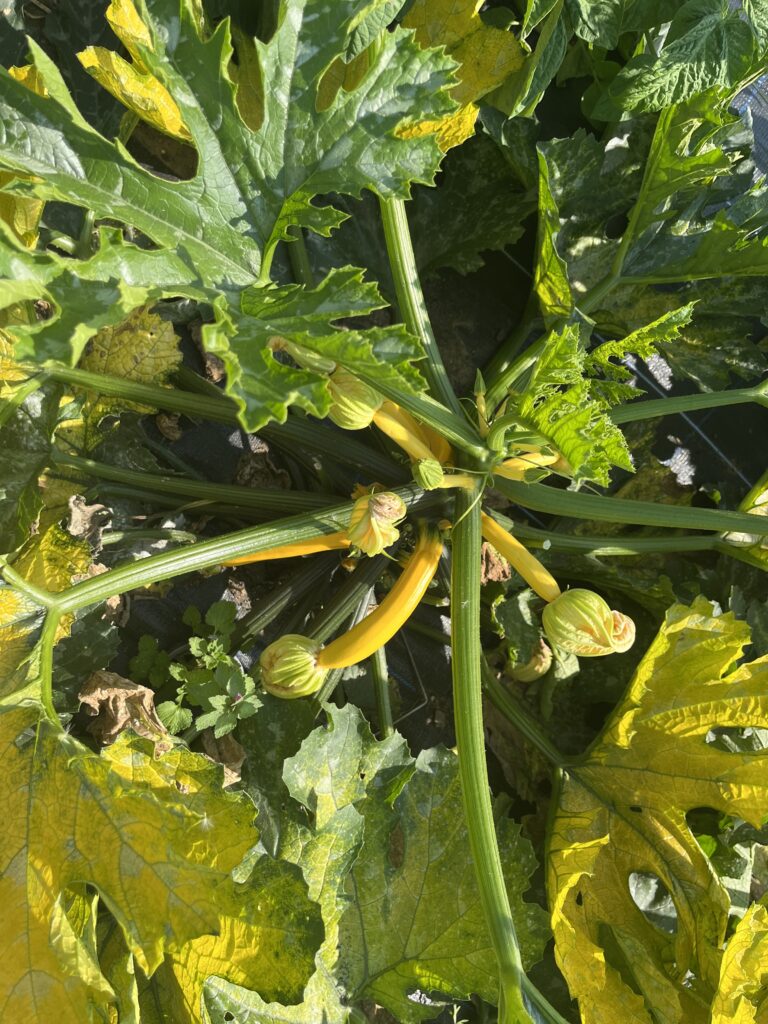
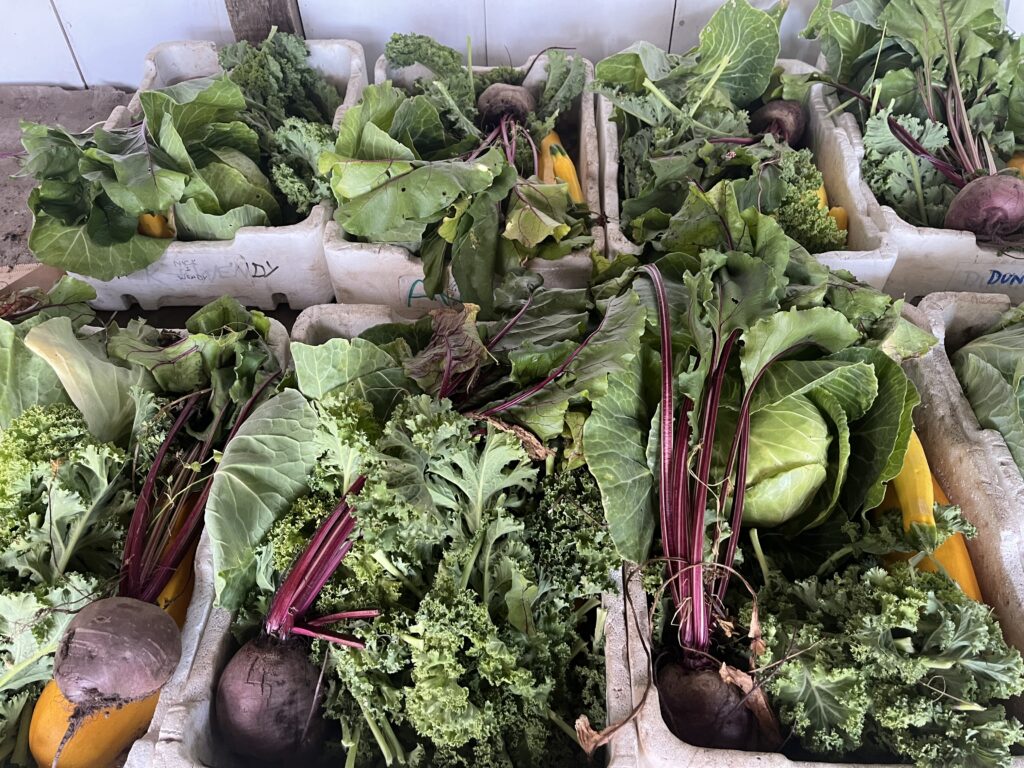
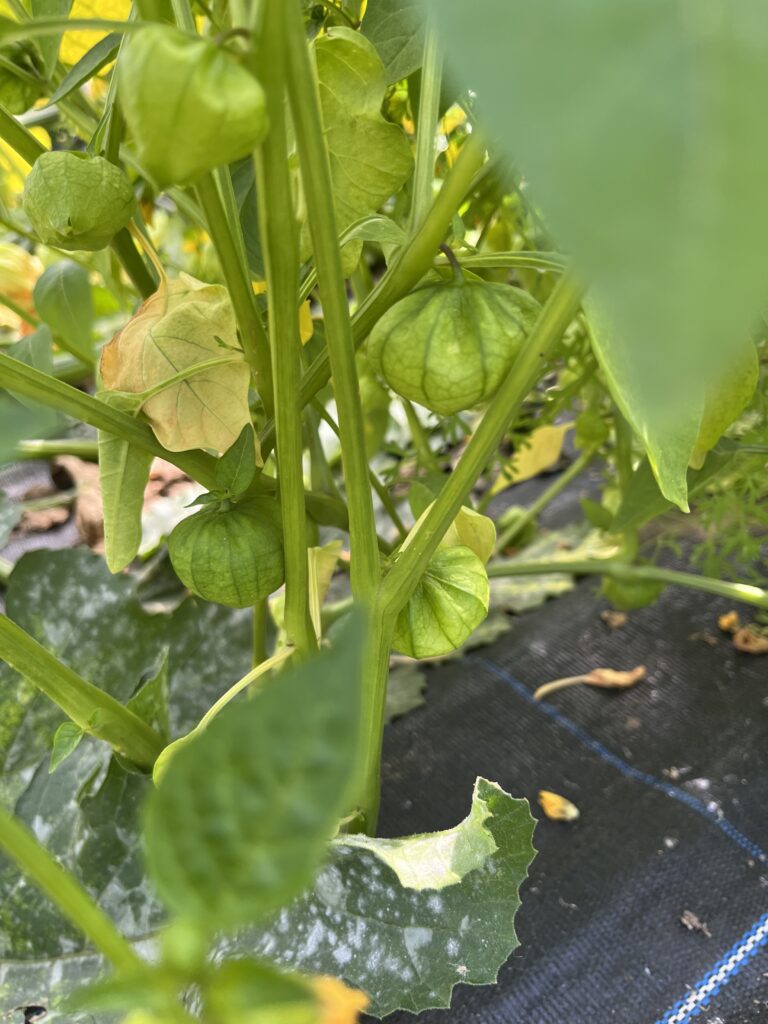
Yellow courgettes are thriving, the outdoor tomatoes are doing well, our tomatillos are looking promising, and the beans are having an excellent year.
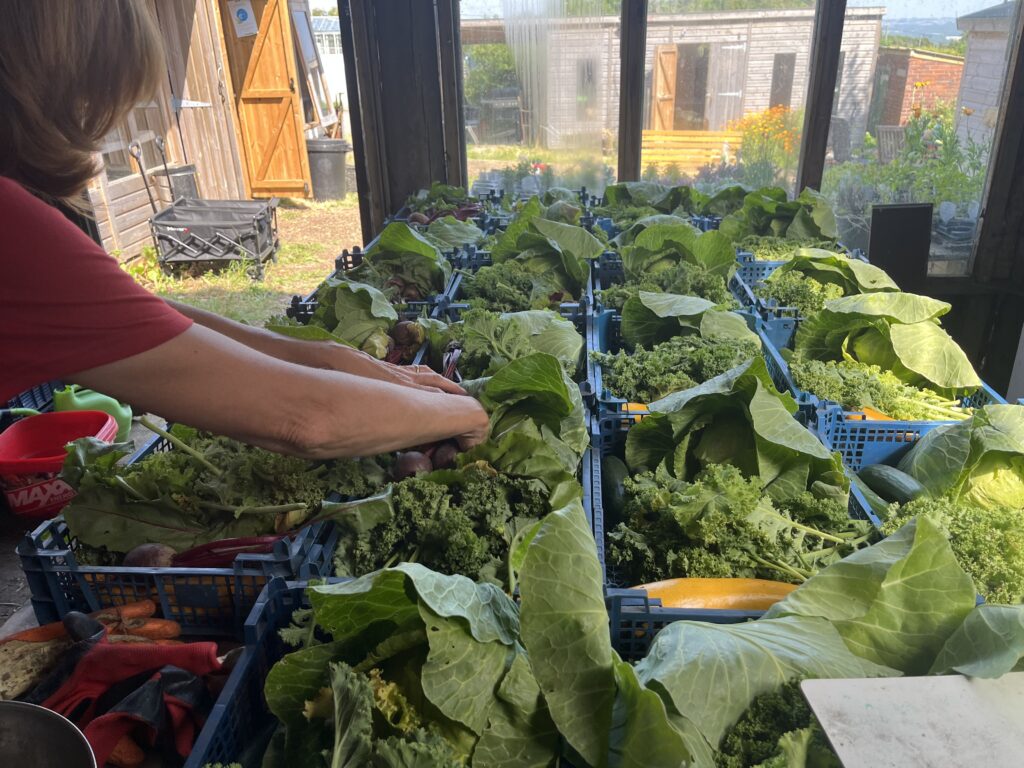
One pleasant surprise has been the brassica bed. Because it was planted early in spring, the plants had plenty of time to establish deep roots before the dry weather arrived.
They’re still green, healthy and remarkably resilient without needing additional watering.The later plantings, however, are just beginning to struggle.

How is the wildlife coping?
Q: Have you noticed any changes in wildlife?
Farming isn’t just about crops—it’s about the whole ecosystem.
We’ve been delighted to see plenty of butterflies around the farm, and recently spotted a pair of kestrels hunting over the fields.
We’ve also found spotted longhorn beetles, which are a great indicator that we’re farming in a wildlife-friendly way. And on the Matfen field when we started grass cutting the future beds there was so much wildlife coming out of the grass, Ian didn’t have the heart to cut it all! There were two types of frogs, chimney sweeps, comma’s, small coppers, meadow brown, ringlet, several bees and voles.
The slugs, aren’t quite as prolific yet but wait until it rains!
Looking ahead
Right now, we’re keeping everything crossed for some much-needed rain.
A decent spell of rainfall won’t undo the challenges of the last few weeks, but it would certainly help both the crops and the wildlife recover.
As always with farming, we’re working with nature rather than against it. Every season brings new challenges, and every year teaches us something different.
Here’s hoping the forecast for next week is right!