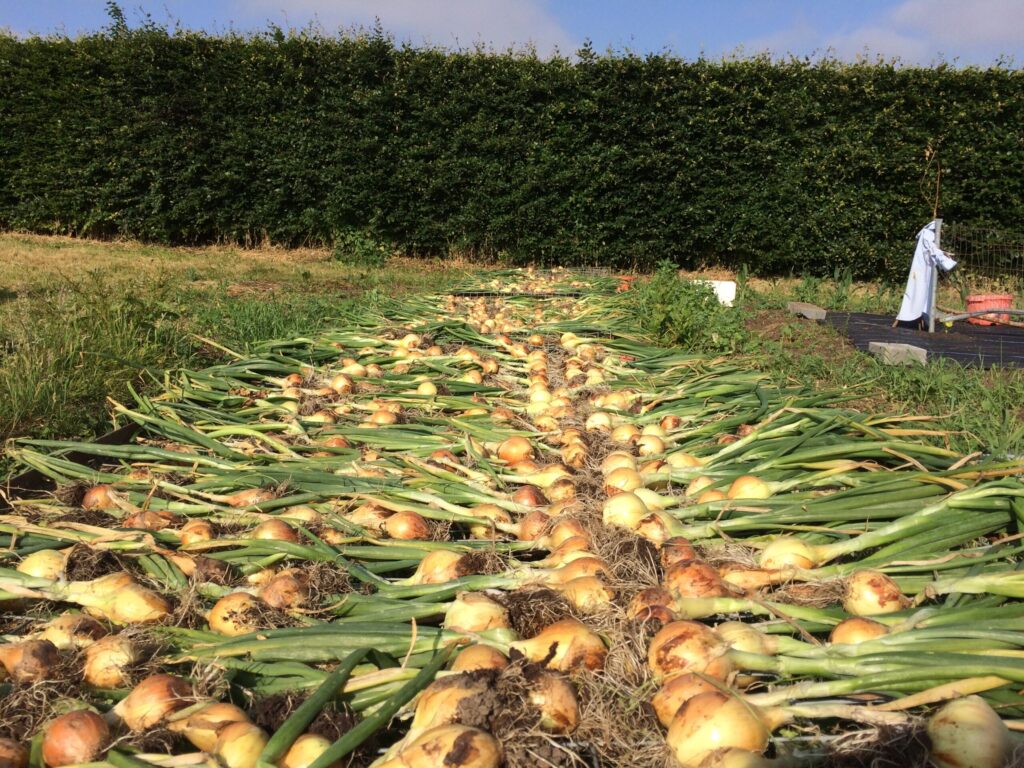
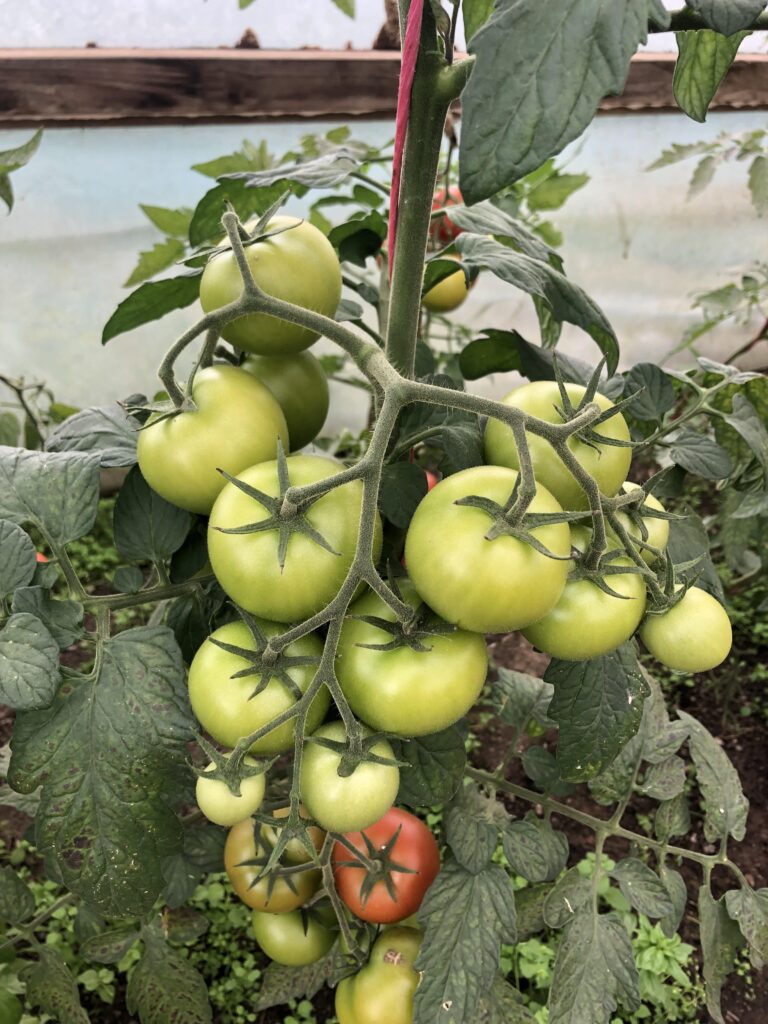
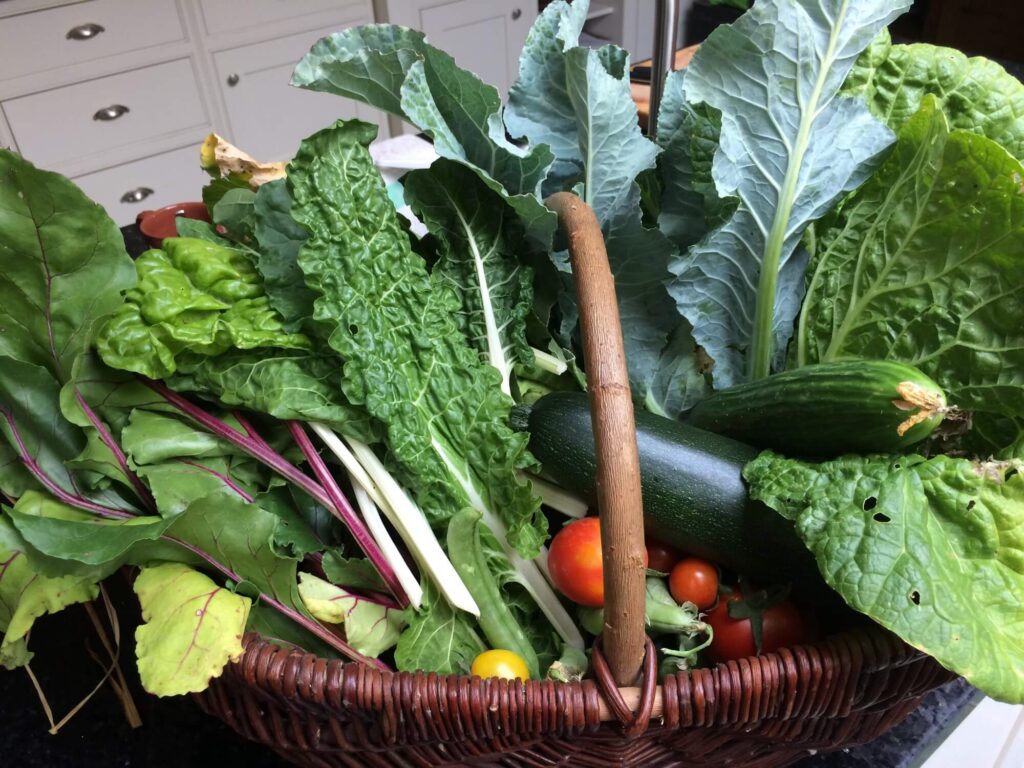
We’ve reached that point in the year where there is lots to harvest – on and off the fields. Our shares are full with cucumbers, tomatoes, courgettes, garlic… and there is plenty to harvest in the hedgerows and margins; blackberries, apples, pears and wild plums… It IS the season of plenty!
After the tough growing conditions of spring and early summer we are beginning to see the benefits of our alternative growing plans and finally catching up with where we should be (with the odd exceptions such as squash and pumpkins). We like to keep our members baskets as full and varied as possible and this time of the year challenges even our most seasoned foodies – how to keep up with the quantity of cucumber we have been getting, what do you do with your fennel (when we get it)? Etc etc Methods for cooking, storing or preserving the produce are shared… there are some regular favourites; green tomato marmalade, chili jam or even pineapple flavoured courgette compote – apparently a real thing!

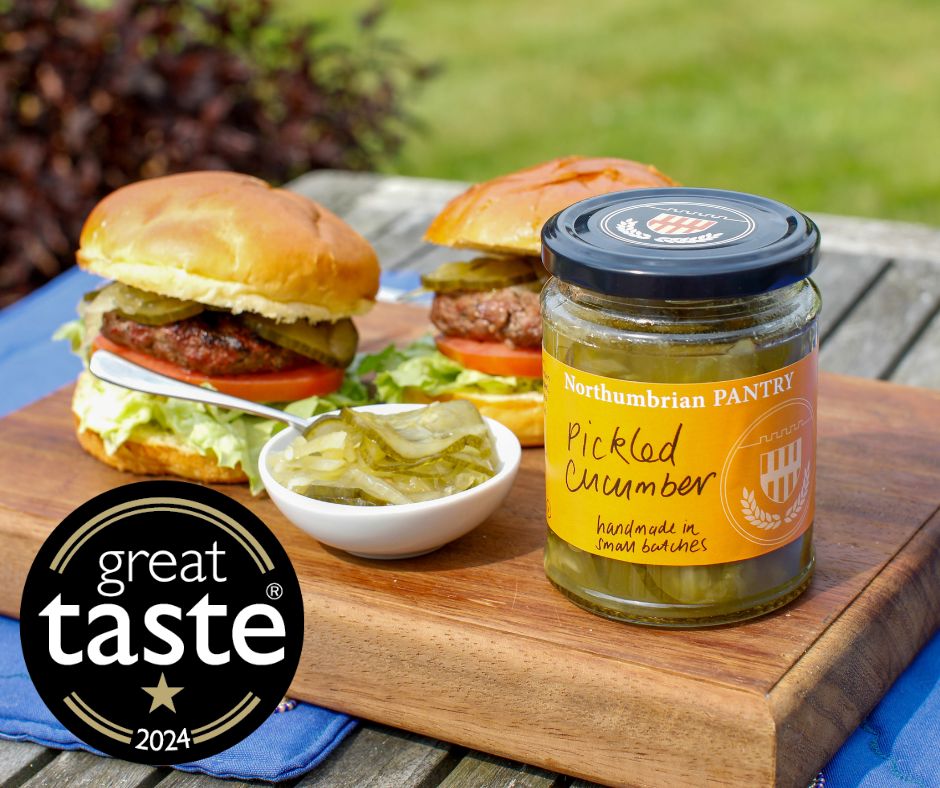
Shelves in our members shed include local produce, honey, apple juice, jams and chutneys feature here. Sometimes when we have a glut we offer our veg to Northumbrian Pantry and in return receive a finished product, most recently, Pickled Cucumber. Another shelf provides space for members to share their own jams and chutneys. There are recipes on our website to provide inspiration, and we encourage members to learn to preserve their crops.
Ian is a fan of traditional methods for preserving and storing of crops to enhance flavours and get the most out of the harvest. There are several methods commonly used in the UK.
Freezing is the most obvious and easiest to do but a bit of knowledge helps get the best out of individual crops. Simple tips like, freezing raspberries and strawberries on a tray before packing so they can be used individually rather than a whole squashed lump. Using up a glut of crops to make quantities of passata, soup … to be frozen and used later in the year.
And a top tip – get into the habit of labelling. Defrosting pumpkin soup for an apple pie filling is not recommended.
Pickling and brining another common way to use the harvest. Back in the day every farmhouse had its own ‘grannies secret recipe’ for making green tomato chutney, piccalilli, pickled beetroot, red cabbage, baby onions or cucumbers. Sometimes pickling can be as simple as vacuum packing sliced beetroot with balsamic vinegar and freezing until its needed. Kimchi is popular with some of the members, though a more complicated process.
Jams and compotes are a good way of extracting flavours. Don’t just stick to fruit either, as mentioned before chilli jam and green tomato marmalade are excellent examples.
Drying or semi drying is also popular with some of our members – particularly when we get to the chilli season – either with a dehydrator or oven on a low setting. ‘sun’ dried tomatoes, apple slices and baby strawberries are Ian’s favourites. Drying chillies and grinding down to make chili powder for cooking is also easy.
As with any technique, hobby or craft practice makes perfect. Go with options that interest you or with tastes you like. If you don’t like pickled veg then its probably not a good idea to learn pickling techniques, make Passata instead!