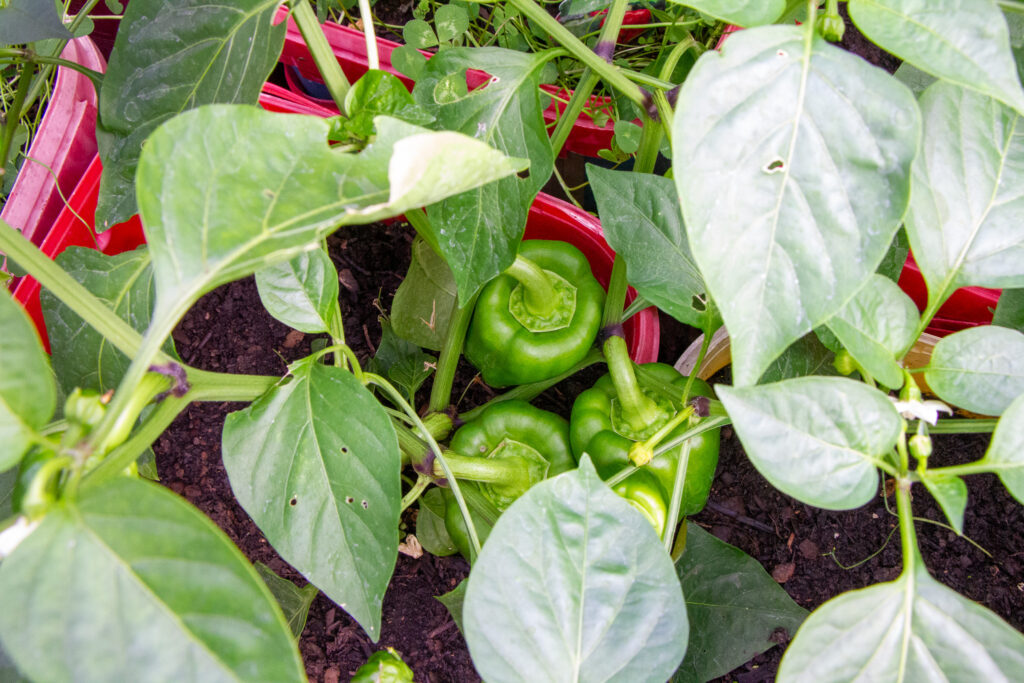
It’s been a year of ups and downs at GO Local Food. As ever, the land, the weather and the wildlife remind us that we’re only one part of the growing puzzle.
Caterpillars on the March
This summer, the biggest battle has been with cabbage white butterflies and their hungry offspring. Rows of brassicas were chewed right back, leaving tiny cabbages and frustrated growers. “That one Saturday when we missed the caterpillars made all the difference,” Ian reflected. “But that’s the balance of nature – we’re about regeneration and wildlife too.”
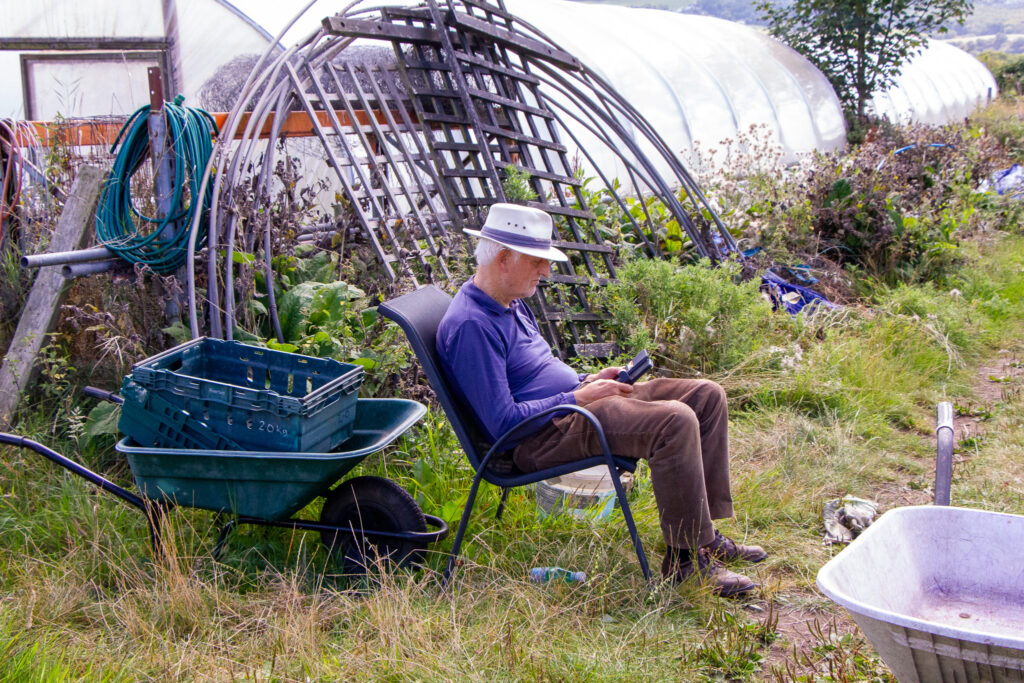
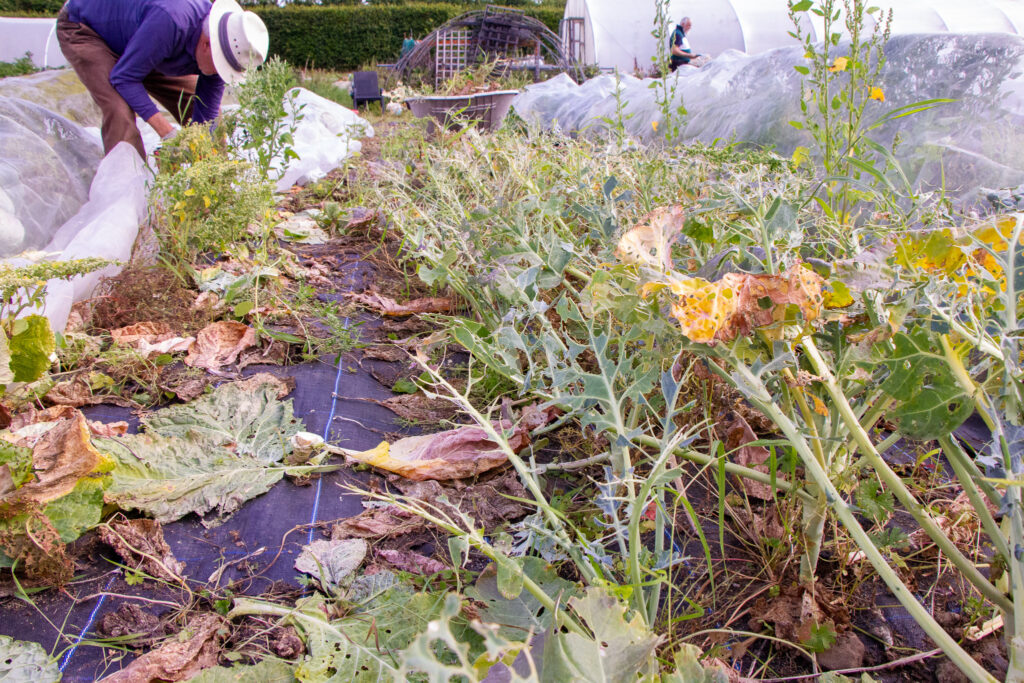
Despite the damage, this has actually been our best year ever for brassicas. Cauliflowers came up in record numbers, far surpassing that famous season of the “giant cauliflower”. Timing, a bit of irrigation, and luck with the weather helped keep the crop thriving.
Weather, Weeds and Wildlife
A warm, dry spring encouraged butterflies and caterpillars. Later, strong winds and intermittent downpours shaped the season further. Autumn, Ian explained, isn’t just about dates on the calendar — it’s about how trees respond to moisture and wind. Leaves crinkle and fall when the ground dries out, or when winds strip away water.
The no-dig beds have been another challenge. While they promise less soil disturbance, they’ve struggled with weeds and dryness. “Our couch grass, thistles and ground elder don’t respect ‘no dig’ principles,” Ian admitted. It’s a lesson in adapting methods to local conditions.
Pests, Allies and Balance
It hasn’t been all bad news. Ladybirds stepped in to deal with early aphid invasions, bringing peppers and brassicas back from the brink. Beneficial insects like spider mite predators have also played their part in the tunnels.
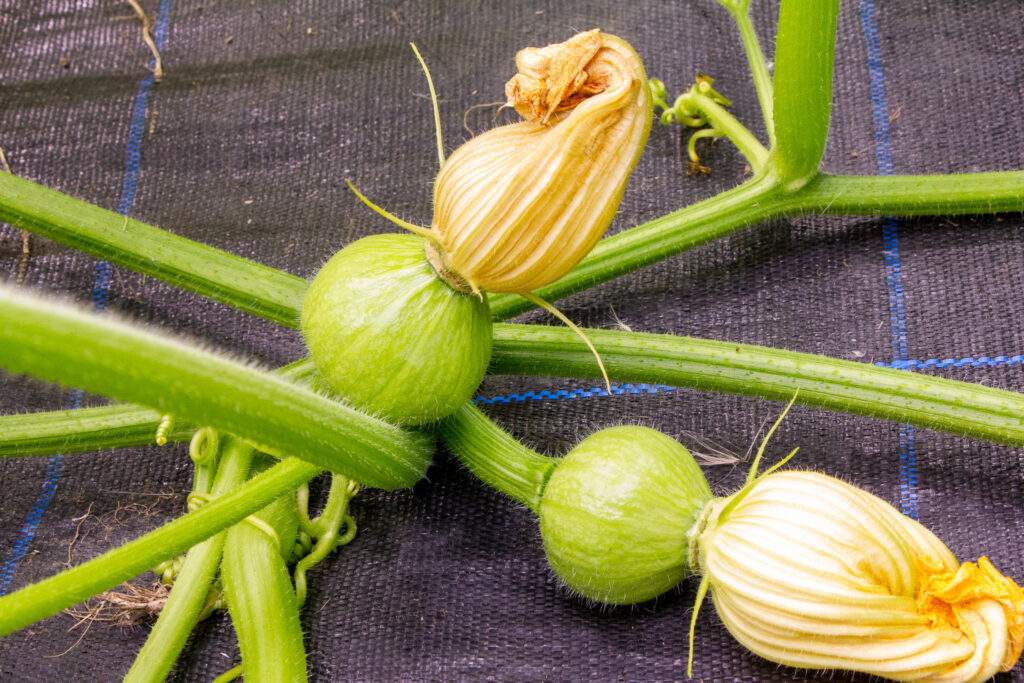
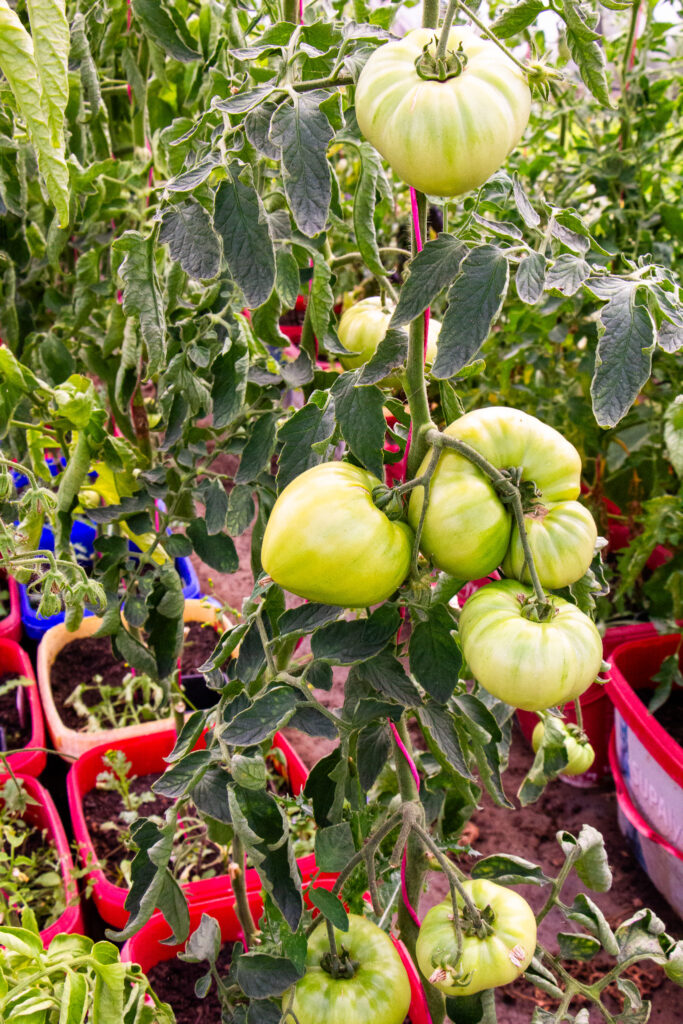
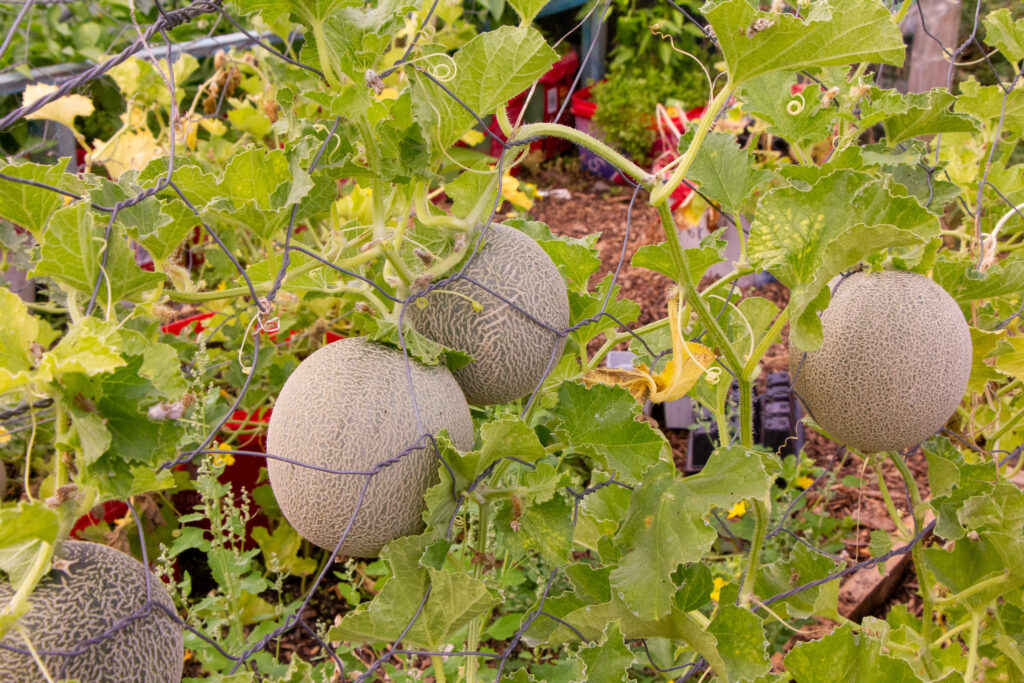
Squash and pumpkins are hanging on, though their success now depends on when the first frost arrives. Generally fruit has been outstanding, helped by a balance of sunshine and timely rainfall. Tomatoes, on the other hand, struggled in the overheated polytunnels, with “dry set” meaning flowers didn’t produce fruit. Outside crops have fared better. Whilst our experimental beef tomatoes have done very well, with one small problem. As an experiment we haven’t planted enough!
Looking Ahead
So what next? The team is watching for frost, which could wipe out late plantings. They’re also planning how to approach no-dig in future, and whether to adjust the mix of tomatoes grown in tunnels. Beans are still cropping, and there may be a late flush of French beans before the season turns.
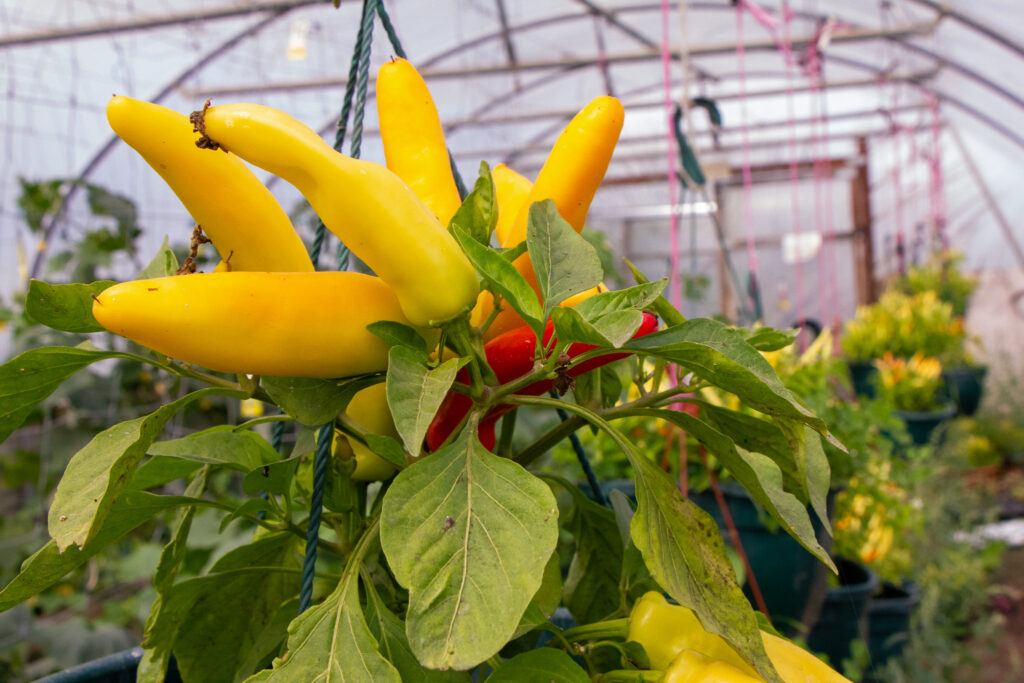
Despite setbacks, there’s a sense of resilience and humour in the fields. Stories of near-misses, grasshoppers mistaken for cabbage eaters, and a glut of fiery chillies keep spirits high. As Ian put it: “It’s 80% observation, 20% mathematics. You just have to watch, and adapt.”
This year has shown that while we can’t control the weather, pests, or wildlife, we can keep learning and adjusting. And that’s exactly what GO Local Food is all about — growing together, through successes and setbacks alike.